
Data Entry Jobs: Roles, Salary, Skills, and How to Get Hired
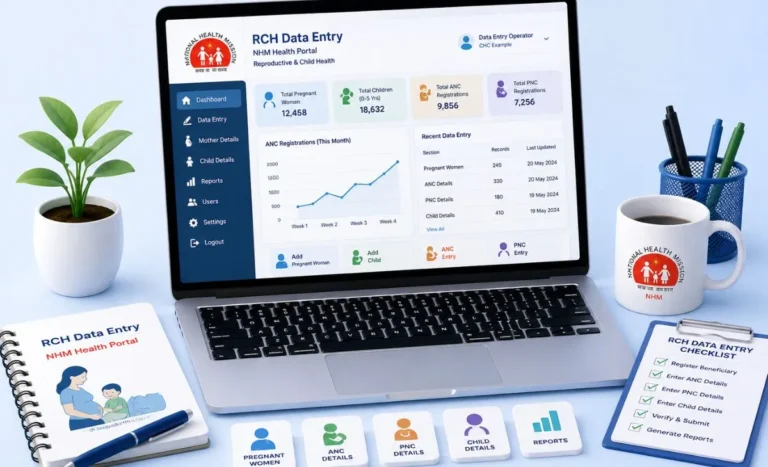
Data entry jobs mean typing, updating, or sorting information into systems, spreadsheets, or databases. It’s one of the most common ways into office work. It needs little prior experience. But the field covers more ground than people expect. It ranges from basic typing roles to specialized data annotation work. This guide covers what the job involves, what it pays, and how to find real openings without getting scammed.
What a Data Entry Job Actually Involves
Most data entry roles center on a few core tasks:
- Typing information into a system: This could be customer records, inventory numbers, survey answers, or scanned files.
- Checking for accuracy: Entering data correctly matters more than entering it fast. Most employers value accuracy over raw speed.
- Organizing and updating records: This means keeping spreadsheets or databases current, as new information comes in.
- Basic formatting: Entries need one consistent style, so the data stays usable later.
Some roles also involve light research. This might mean confirming a contact’s details, or comparing two documents to spot mismatches.
Types of Data Entry Roles
Data Entry Operator: This is the standard title for most data entry work. It can be office-based or remote. It usually means working within one company’s systems on an ongoing basis.
Domestic Data Entry Operator: This term usually means work-from-home data entry. It’s common in India. These jobs are often part-time. Eligibility is usually just class 10 pass or higher. The role needs typing accuracy, not a degree.
Data Annotation: This is a growing, more specialized field. Instead of typing general information, you label or tag data. Think text, images, or audio. This data trains AI systems. It usually pays more than standard data entry. Some roles want basic subject knowledge too, like language skills for text labeling.
Freelance or project-based data entry: This work shows up on freelance platforms. It’s priced per task or per project, not a fixed monthly salary.
Skills and Qualifications You’ll Actually Need
- Typing speed and accuracy: Most roles look for at least 30 to 40 words per minute, with high accuracy. Faster typing helps. Accuracy matters more, though.
- Basic computer literacy: You’ll need comfort with spreadsheets, like Excel or Google Sheets, and simple data entry software.
- Attention to detail: Small errors in data entry can cause real problems later on. This is one of the most tested skills in hiring.
- Educational requirement: Many roles, especially domestic or entry-level ones, only need a class 10 or class 12 pass. Specialized roles, like data annotation in technical fields, may ask for more.
What Data Entry Jobs Actually Pay
Pay varies a lot by role, location, and whether the work is full-time, part-time, or freelance. Based on current published salary data, starting pay for data entry operators in India typically falls between ₹10,000 and ₹18,000 per month. With experience, typing speed, and skills like Excel, pay can rise toward ₹25,000 to ₹35,000 per month. Specialized or senior roles can go higher still.
Location matters too. Metro cities like Delhi, Mumbai, and Bangalore tend to pay more than small towns for the same work. Data annotation pays more than standard data entry, since it needs more judgment and consistency.
Where to Find Real Data Entry Jobs
- Major job portals like Naukri, Indeed, and LinkedIn list the most genuine openings. This includes roles at large employers like Flipkart during busy periods, like festive sales seasons.
- Company career pages. Large e-commerce and logistics companies often post data entry and back-office roles right on their own sites.
- Government job portals, for public sector data entry work. These usually list clear eligibility rules and a formal exam or typing test.
- Freelance platforms, for project work. Rates vary a lot, and competition is high.
City searches, like data entry jobs in Bangalore, turn up local and remote listings. Many companies hiring in one city also take remote applicants.
Common Data Entry Test and Interview Questions
Many data entry jobs include a typing test or short written test before hiring. This is common at government and larger private jobs. Common areas covered:
- Typing speed tests: These are usually timed. They check words per minute and errors.
- Basic computer questions: These cover spreadsheet basics, keyboard shortcuts, and file handling.
- Attention-to-detail exercises: Think spotting differences between two similar documents, or correcting formatting errors.
- General aptitude questions: Government roles especially may add basic math or reasoning questions alongside the typing test.
Practice typing speed and accuracy ahead of time. Add basic Excel practice too. That covers most of what these tests check for.
How to Avoid Data Entry Job Scams
Work-from-home data entry postings are a common target for scams. It’s worth knowing the warning signs before you apply:
- Any request for payment upfront. This could be for training, equipment, or “registration.” It’s a major red flag. Legitimate employers don’t charge you to work for them.
- Vague job posts with unusually high pay for simple typing work. This should raise questions.
- No company details, no verifiable address, and no real interview process. These are common signs of a scam listing.
- Pressure to sign up right away, or share banking details before any real vetting happens.
Stick to known job portals, company career pages, and verified government listings. That avoids most scam postings.
Final Thoughts
Data entry remains one of the most accessible ways into paid work. Real demand exists across e-commerce, government, and specialized fields like data annotation. Pay starts modest, but it grows with typing accuracy, software skills, and experience. The biggest risk in this field isn’t the work itself. It’s the scam postings that target people looking for flexible, work-from-home roles. Stick to verified sources, practice the basic skills tests check for, and the path stays fairly straightforward.
FAQ
What qualifications do I need for a data entry job?
Most entry-level and domestic roles only need a class 10 or class 12 pass. Typing speed and accuracy usually matter more than formal education here.
How much does a data entry operator earn?
Starting pay in India typically falls between ₹10,000 and ₹18,000 per month. It rises toward ₹25,000 to ₹35,000 with experience and stronger skills. Pay varies by location, employer, and role type.
What’s the difference between data entry and data annotation?
Data entry means typing and organizing general information. Data annotation means labeling or tagging data, like text or images. This trains AI systems. It usually pays more and needs more judgment.
How can I tell if a work-from-home data entry job is a scam?
Watch out for any listing that asks for upfront payment, offers unusually high pay for simple work, or skips a real interview process. Legitimate employers never charge you to start working.
What typing speed do I need for a data entry job?
Most roles look for at least 30 to 40 words per minute, with high accuracy. Faster typing helps, but accuracy usually counts more in hiring tests.